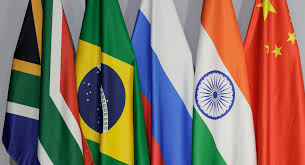
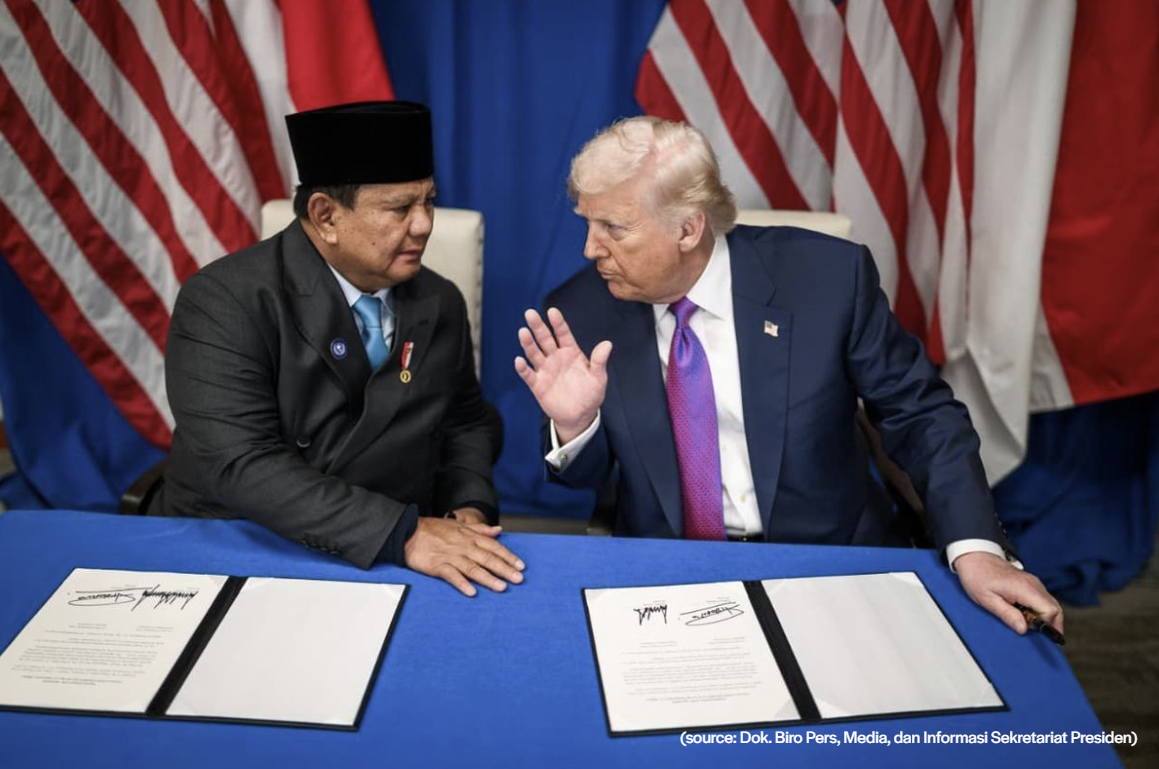
Literature on international relations has long emphasized the significant influence of great powers in shaping the global order. However, the role of non-Western middle powers has also become increasingly significant in reshaping the global order, particularly in the context of growing multipolarity since the 2008 financial crisis. Through their active participation in global forums and their push for major reforms in international institutions like the UN, G20, and the World Trade Organization, non-Western middle powers such as Brazil, South Korea, Indonesia, South Africa, and Turkey have become pivotal in shaping more inclusive, equitable, and representative platforms, emerging as norm entrepreneurs on the global stage. Unlike traditional middle powers, which typically support Western major powers, these non-Western entities often present a different outlook that does not necessarily align with the current U.S.-led global order, especially amidst the intensifying rivalry between the West and China. Despite their ambivalence toward the liberal order, non-Western middle powers adopt nuanced positions in the context of U.S.–China rivalry. They do not consistently align with either the United States or China. Instead, their strategies often reflect several factors, namely their historical strategic dependence with the United States as well as the presence of geopolitical tensions with China. These two main variables have led to diverse policy response of non-Western middle power toward the changing global order.
" />
Indonesia may be far from the Strait of Hormuz, but it remains economically exposed to any major dis...
Literature on international relations has long emphasized the significant influence of great powers in shaping the global order. However, the role of non-Western middle powers has also become increasingly significant in reshaping the global order, particularly in the context of growing multipolarity since the 2008 financial crisis. Through their active participation in global forums and their push for major reforms in international institutions like the UN, G20, and the World Trade Organization, non-Western middle powers such as Brazil, South Korea, Indonesia, South Africa, and Turkey have become pivotal in shaping more inclusive, equitable, and representative platforms, emerging as norm entrepreneurs on the global stage. Unlike traditional middle powers, which typically support Western major powers, these non-Western entities often present a different outlook that does not necessarily align with the current U.S.-led global order, especially amidst the intensifying rivalry between the West and China. Despite their ambivalence toward the liberal order, non-Western middle powers adopt nuanced positions in the context of U.S.–China rivalry. They do not consistently align with either the United States or China. Instead, their strategies often reflect several factors, namely their historical strategic dependence with the United States as well as the presence of geopolitical tensions with China. These two main variables have led to diverse policy response of non-Western middle power toward the changing global order.