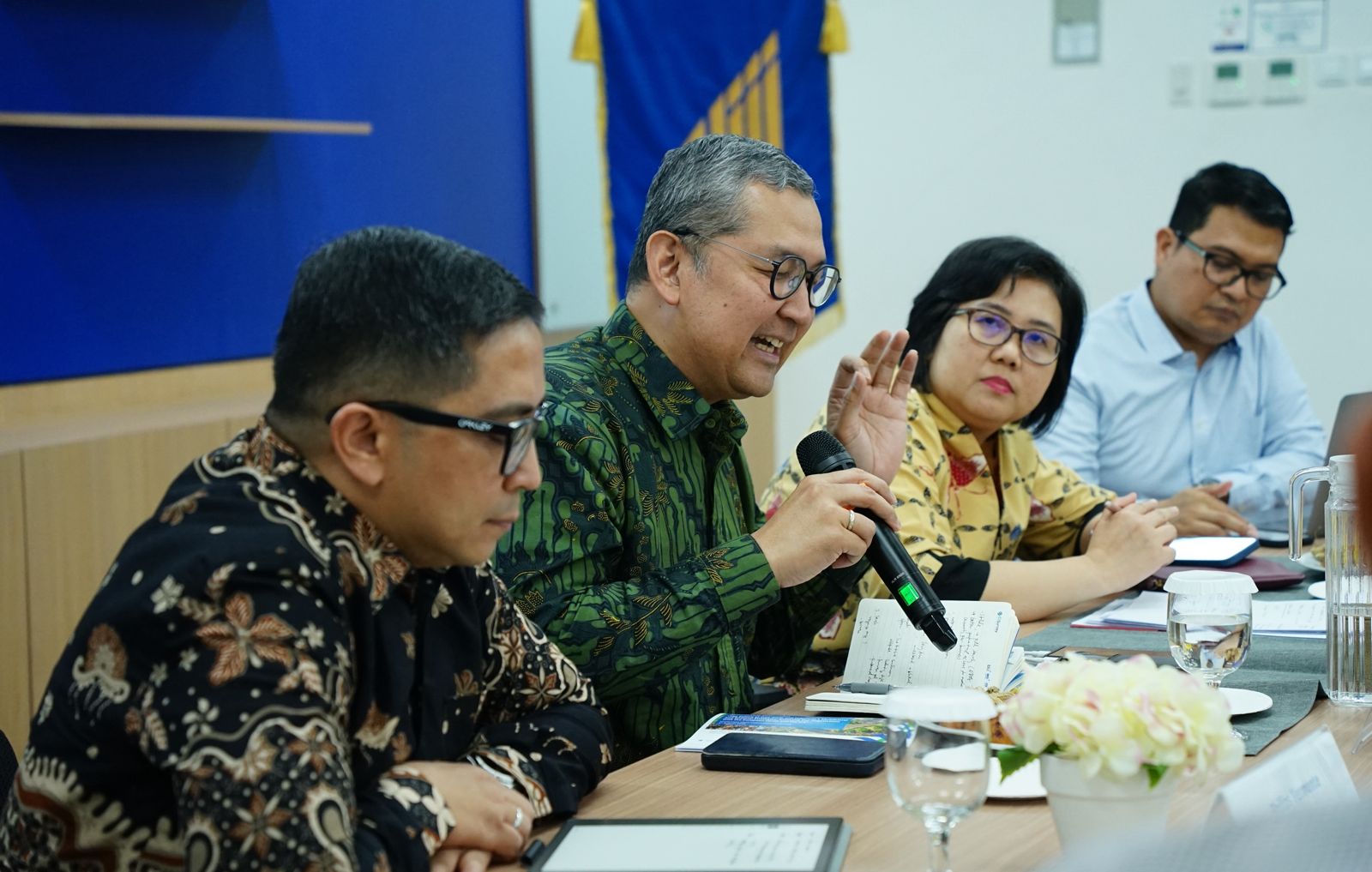
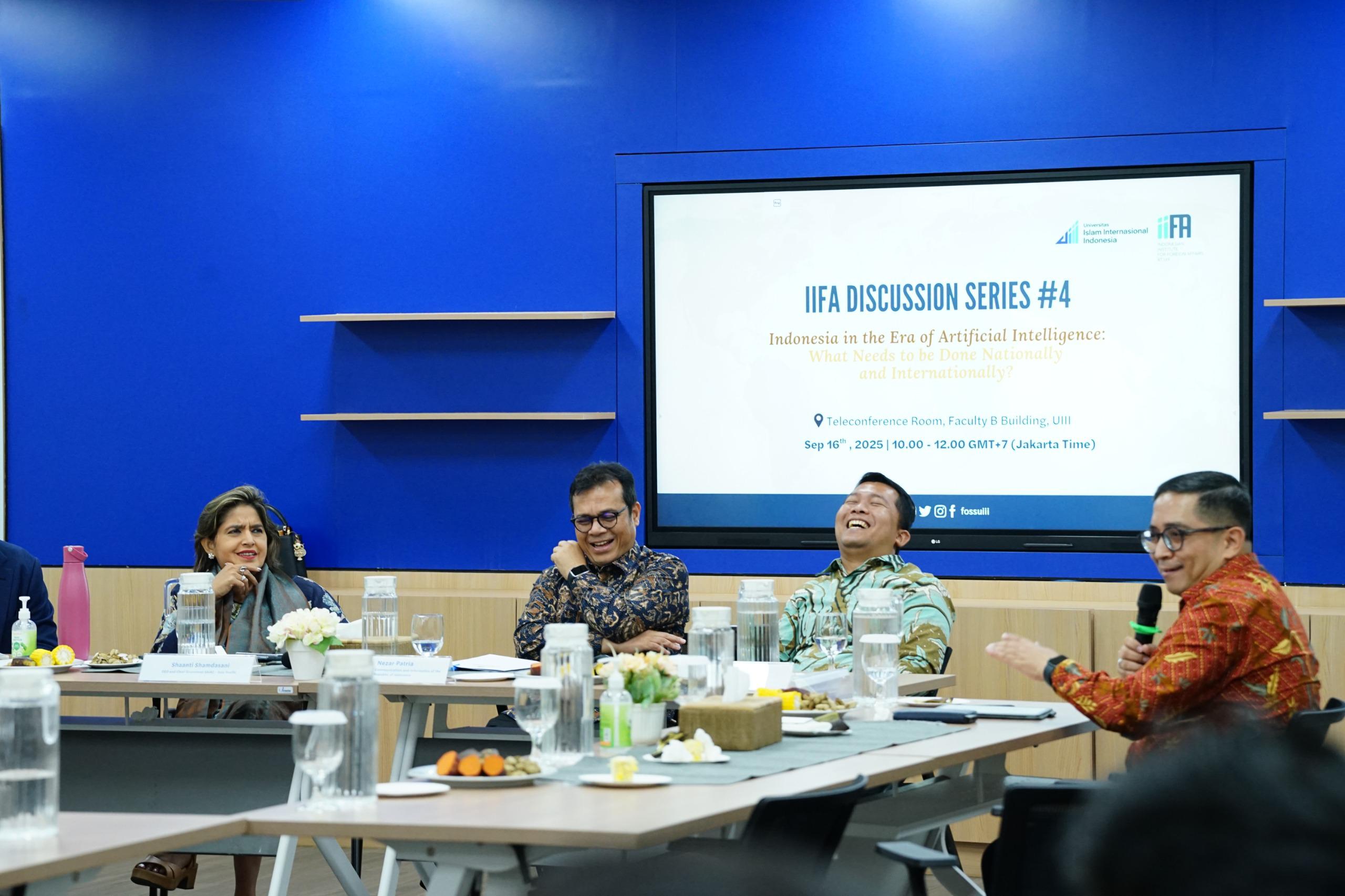
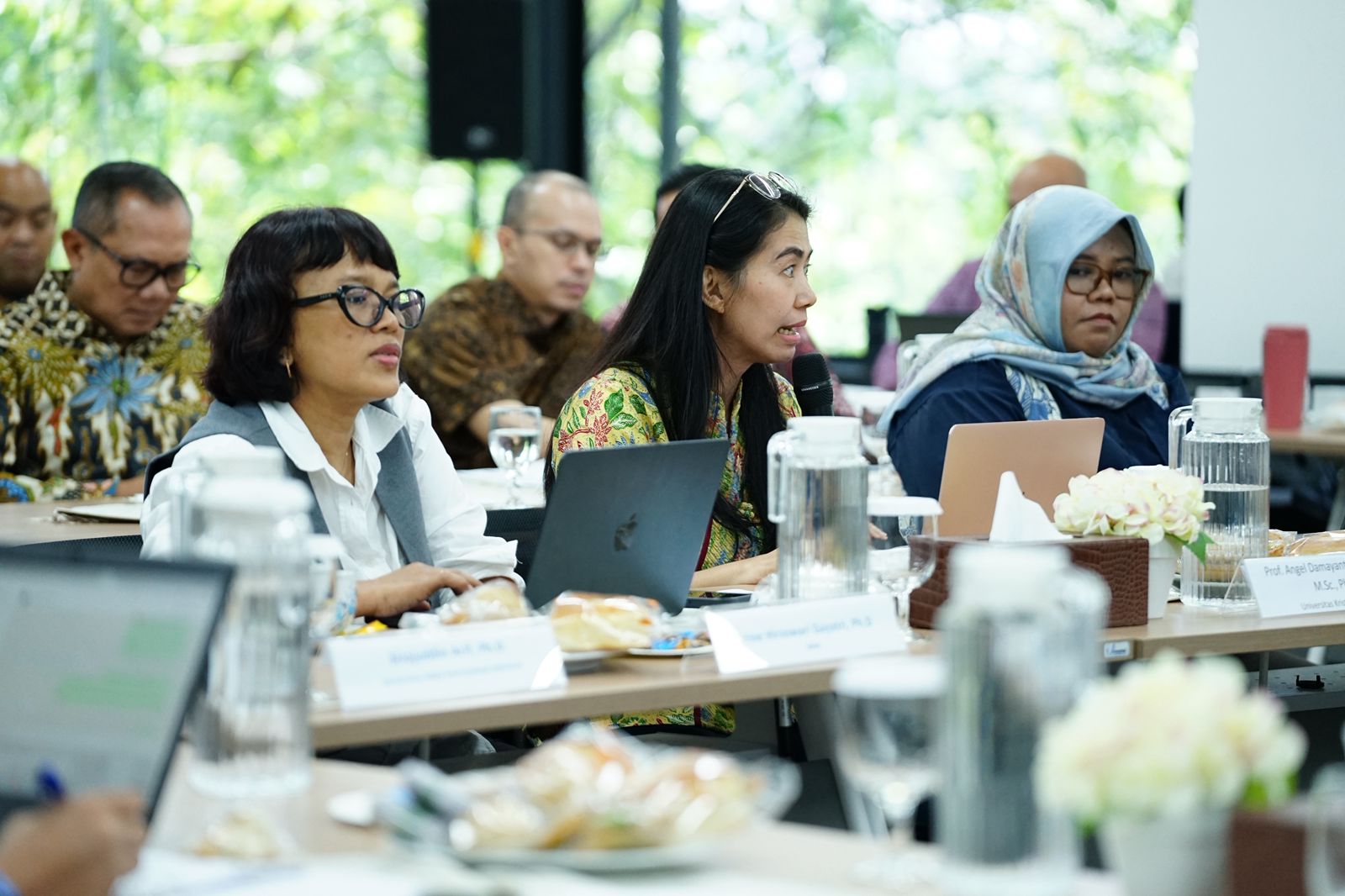
The National Colloquium on “The 1955 Bandung Conference, Decoloniality, and Indonesia’s Contribution to the Reshaping of International Law”, jointly organized by the Institute for International Affairs (IIFA) UIII and the Indonesian Society of International Law Lecturers (ISILL), brought together scholars, practitioners, and students for a vibrant and intellectually engaging discussion. The colloquium served as an important platform to revisit the historical significance of the 1955 Bandung Conference and to critically examine Indonesia’s enduring role in shaping contemporary international legal thought.
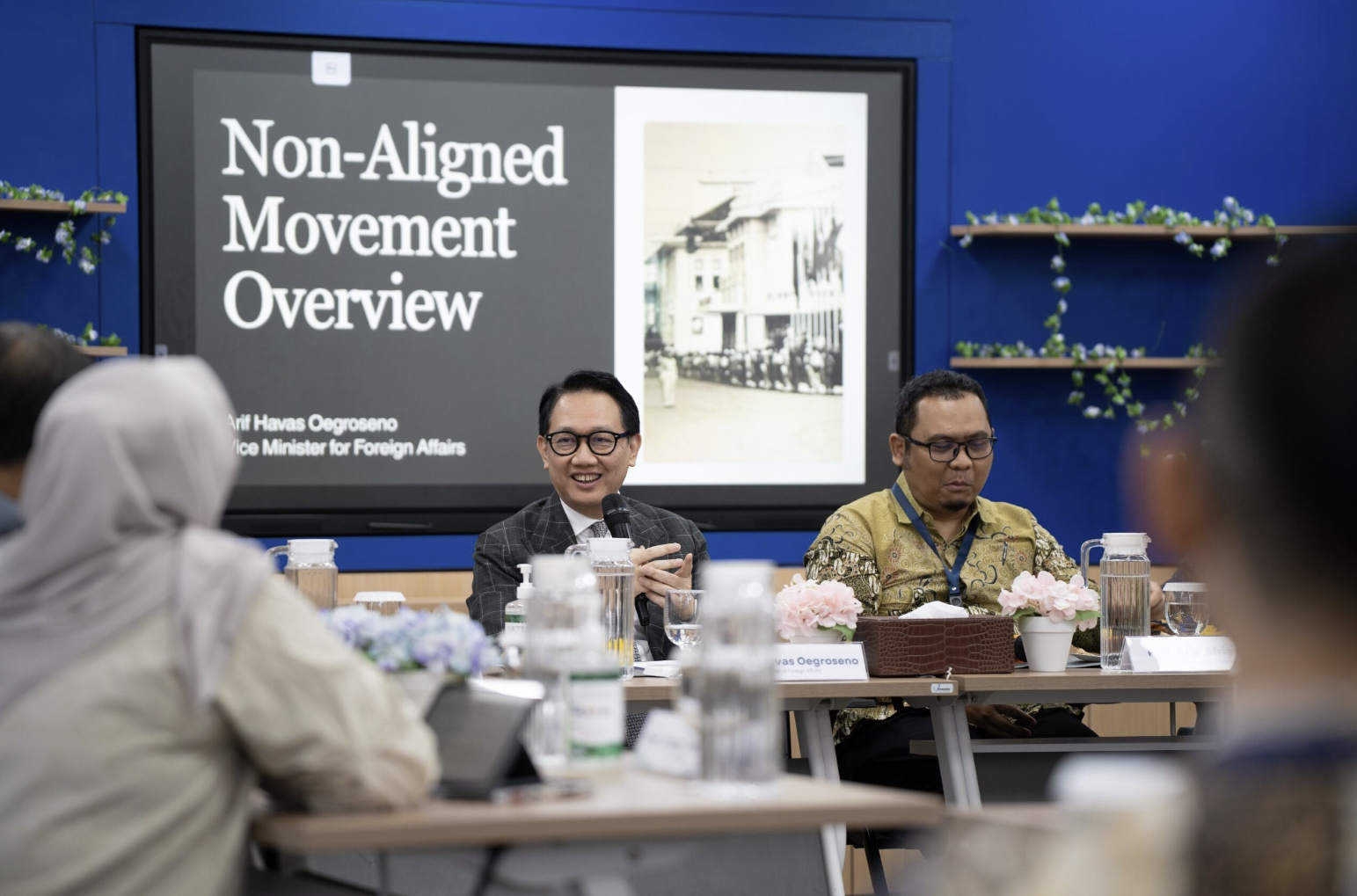
[Depok, Indoensia] - The event featured a keynote address by the Vice Minister of Foreign Affairs of the Republic of Indonesia, H.E. Arif Havas Oegroseno, who reflected on the legacy of the Non-Aligned Movement and its continuing relevance in today’s shifting geopolitical landscape. He emphasized the importance of strategic autonomy, solidarity among developing nations, and Indonesia’s proactive diplomacy in navigating global power dynamics.
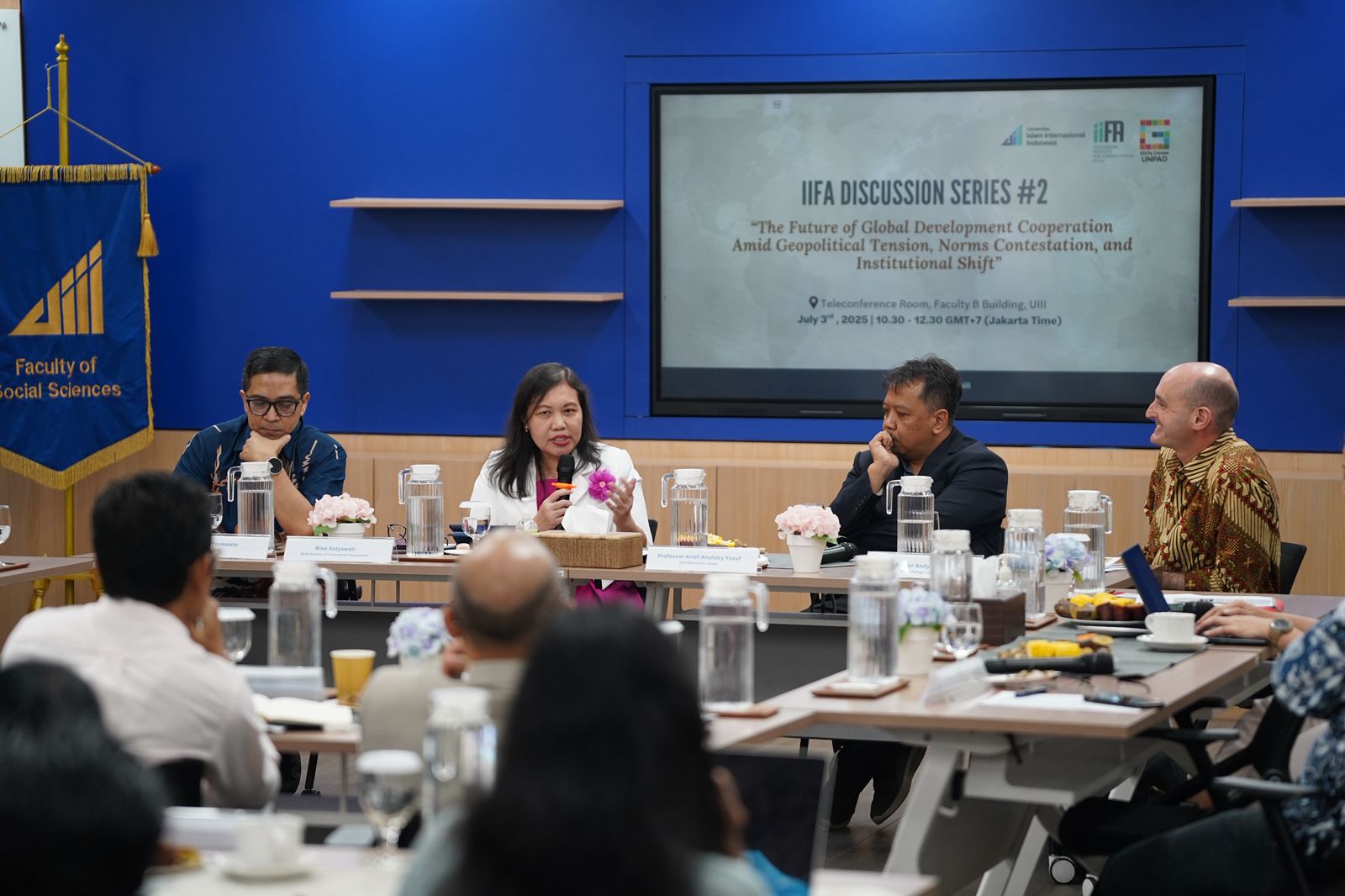
The keynote was followed by two panel sessions that explored a wide range of timely and thought-provoking themes, including Indonesia’s global diplomacy, developments in international investment law, business and human rights, and decolonial ocean governance from a TWAIL (Third World Approaches to International Law) perspective. Each session encouraged critical dialogue on how decolonial thinking can inform more equitable and inclusive frameworks of international law.
Moderated by Prof. Arie Afriansyah and Zezen Zaenal Mutaqin, SJD, the discussions were dynamic, reflective, and highly interactive. Participants actively exchanged ideas and perspectives, fostering new insights and paving the way for meaningful academic collaboration and policy engagement in the future.