Industrial policy is always written for a world that has not arrived yet. The harder question is not what Indonesia should build, but which futures it should be ready to build in.
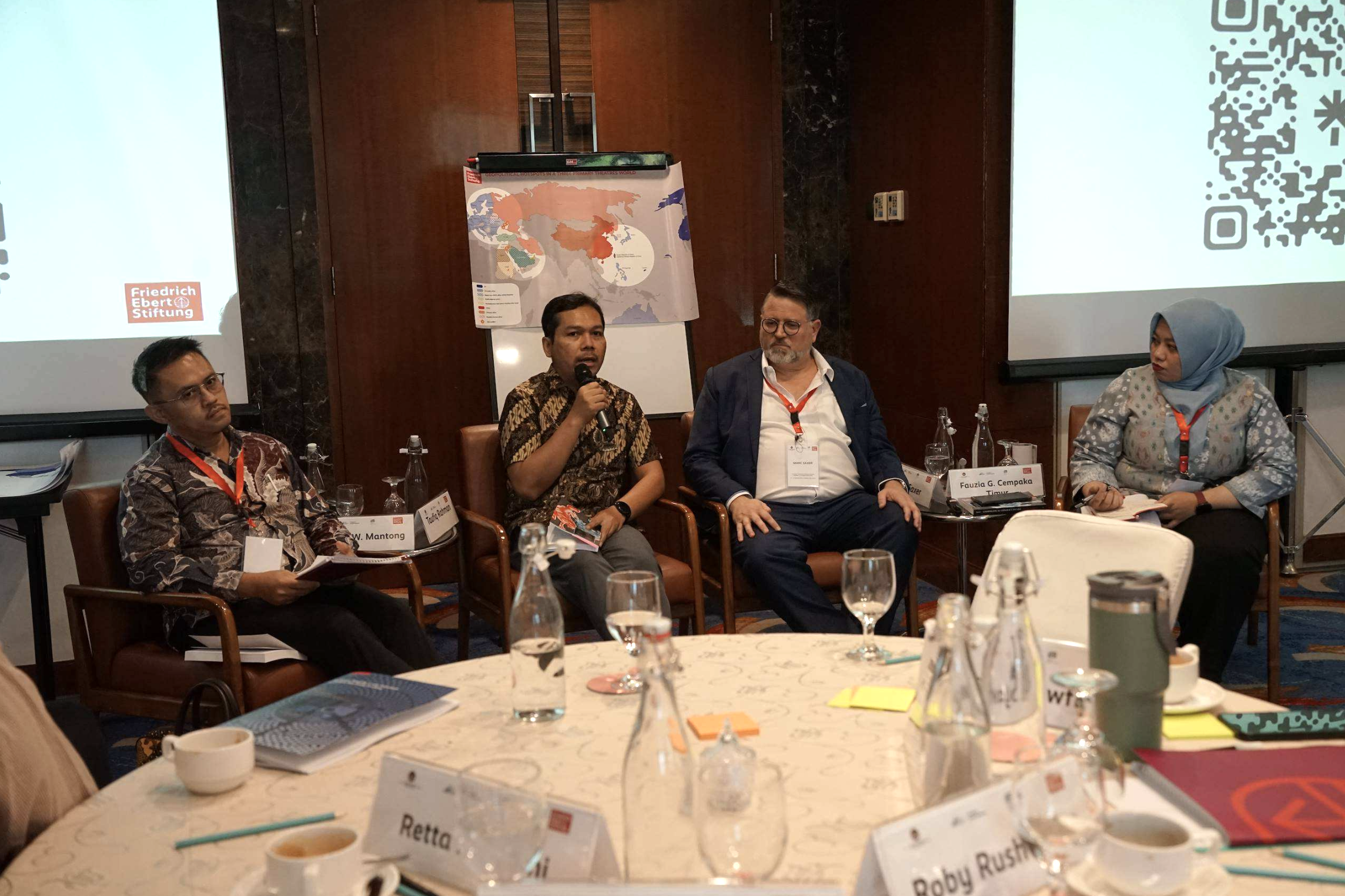
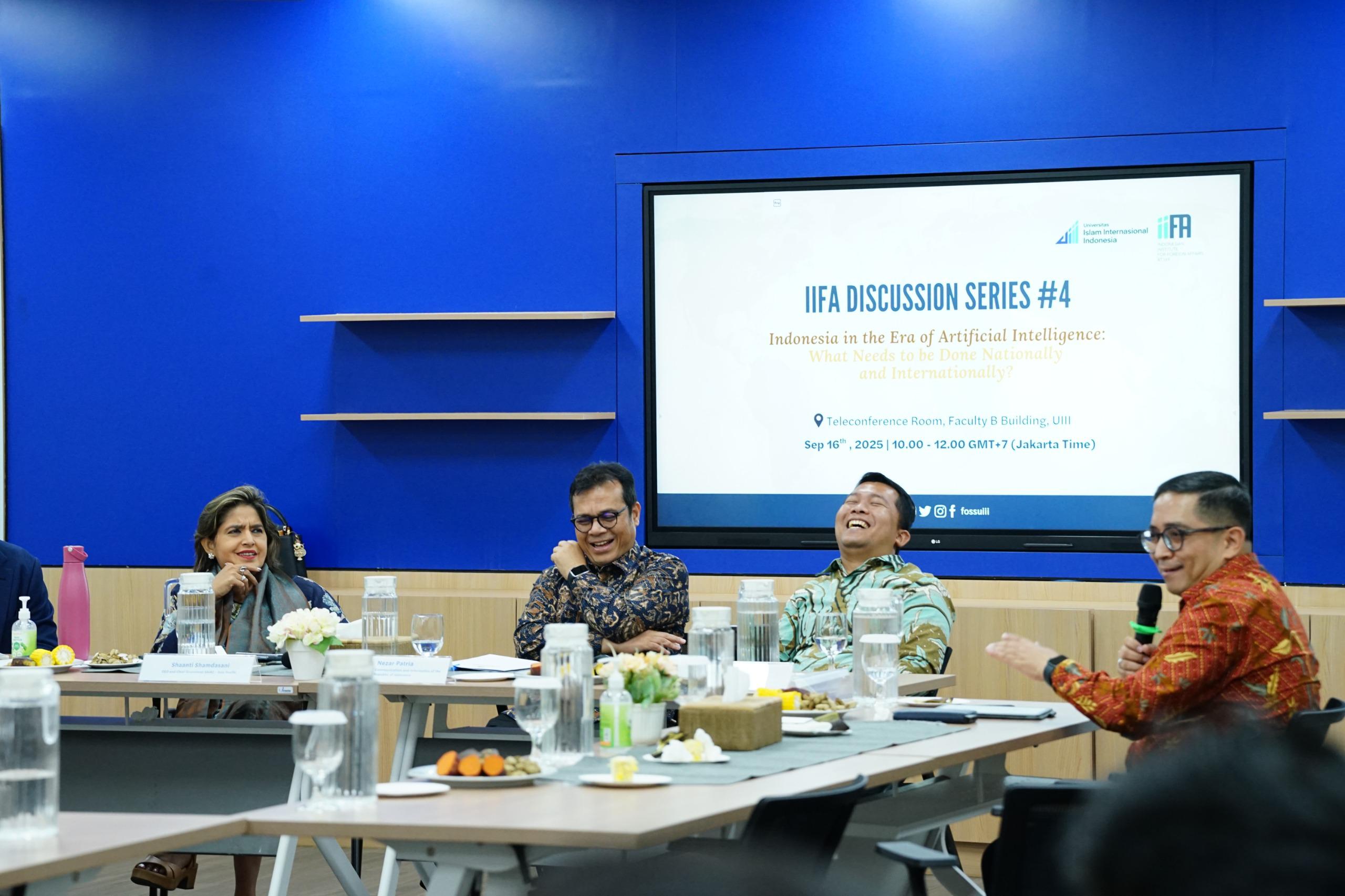
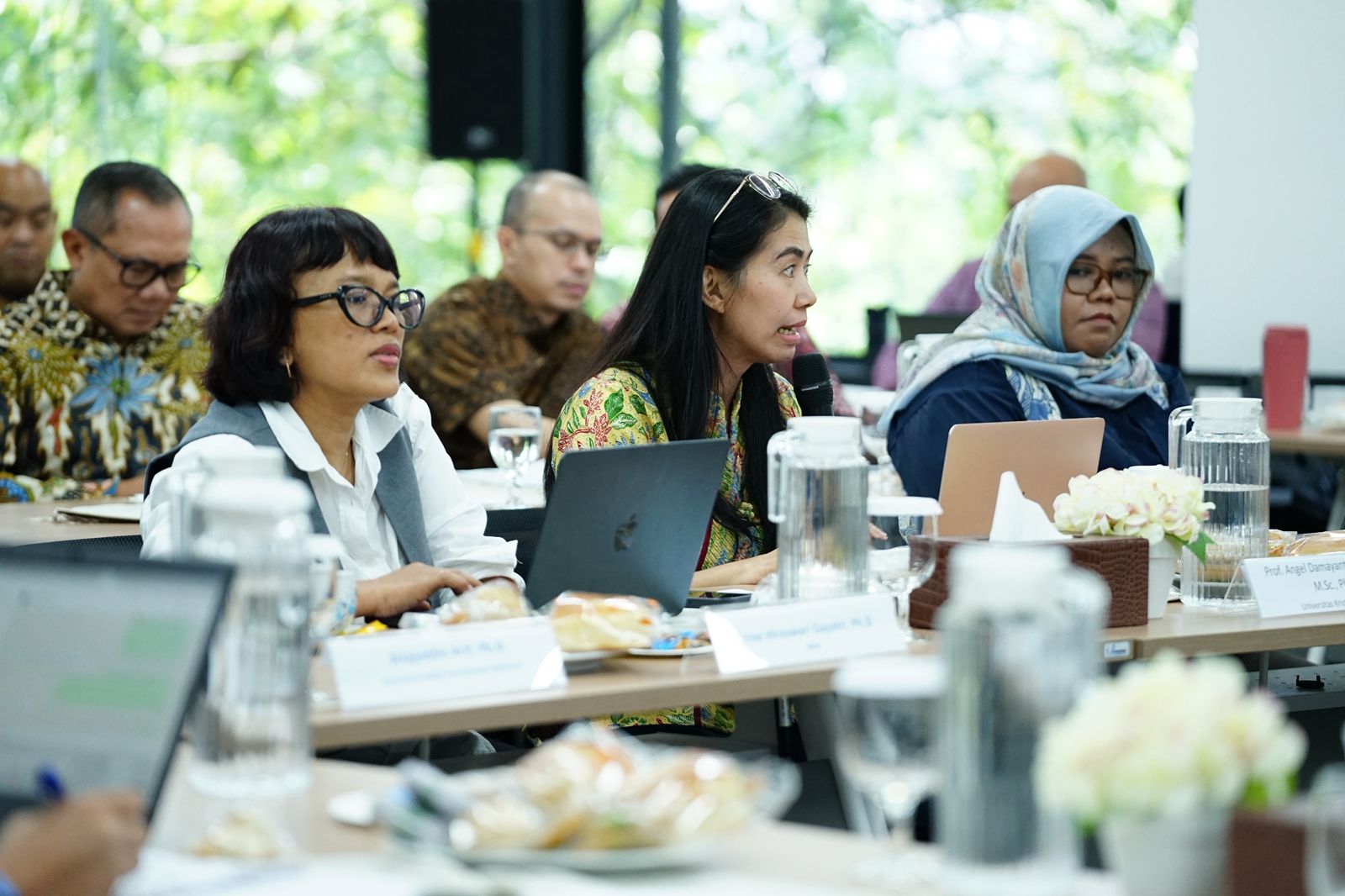
On 15 and 16 September, IIFA UIII and the Friedrich-Ebert-Stiftung (FES) Indonesia Office convened a two day workshop on transforming Indonesia's strategic industries in a changing global order. Participants came from across the policy landscape: officials from several ministries, the business sector including Boeing Indonesia and the Indonesia Business Council, civil society organisations, think tanks such as CSIS and The Habibie Center, and academics from Universitas Andalas, Universitas Indonesia, UIII, and Universitas Airlangga, among others, working across political science, international relations, and economics. Rather than trading position papers, the workshop ran as a foresight exercise, building scenarios for Indonesian industry out to 2035.
Those scenarios sat on two axes. One traced the external environment, from a geopolitical order that settles to one that deteriorates further. The other traced the state itself, and how much capacity it holds to provide, to extract, and to secure. Cross the two and four futures appear. The bleakest of them assumes open great power conflict and a state with a weak grip, which forces a blunt question onto the table: which industries can Indonesia still transform when neither the world nor the state is working in its favour? That is what the exercise is for. It moves the conversation from the industries Indonesia wants to the ones that would survive contact with the world as it actually turns out.